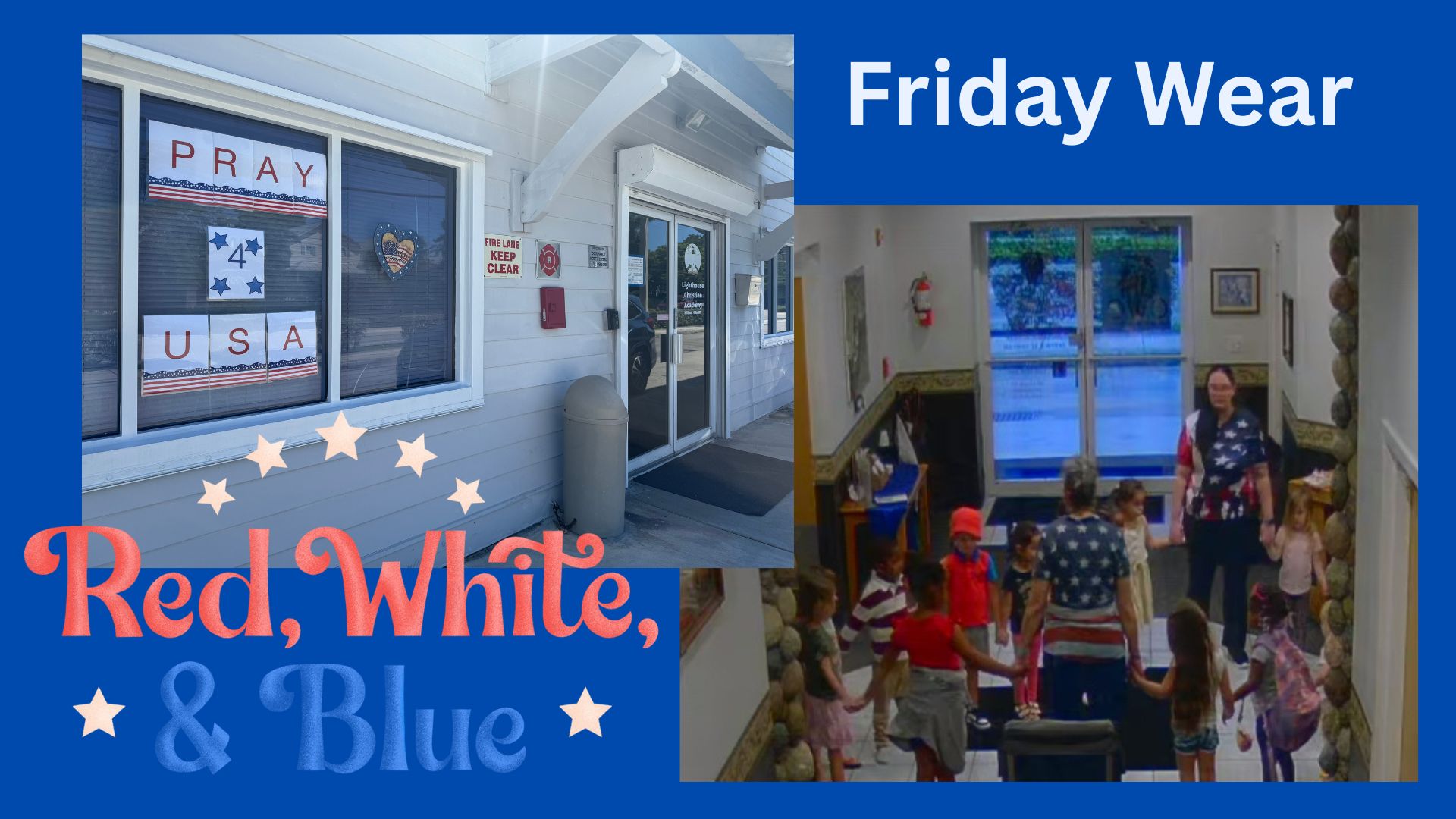








Lighthouse Christian Academy is the childcare and full time Pre K classes designed to meet the needs of the Key West and The Lower Keys Working Families.
LCA is a year round school (Full 12 months)
open Monday – Friday 7:00 AM to 6:00 PM
caring and teaching children 2 yrs to Pre-K 5 years old.
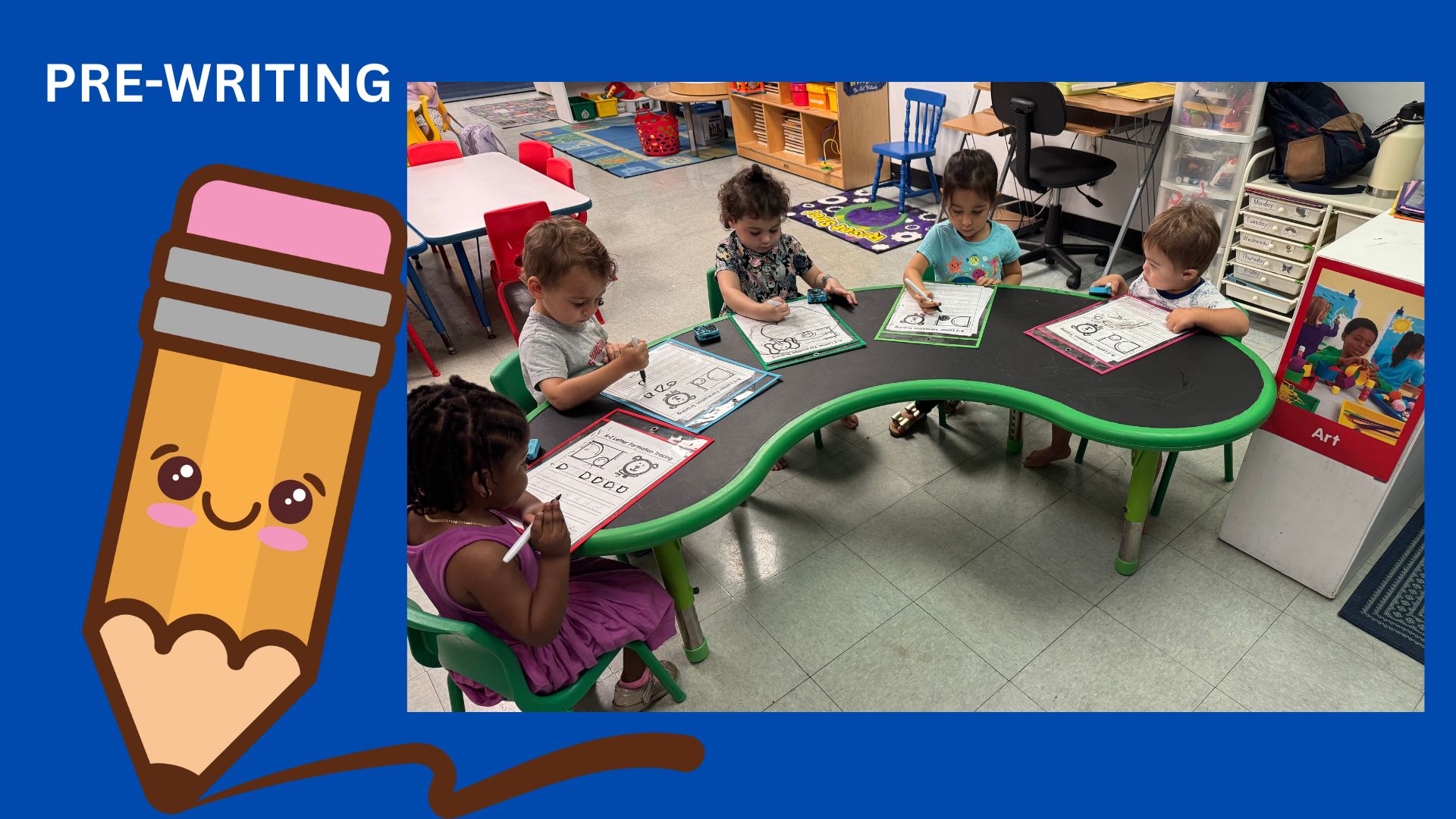
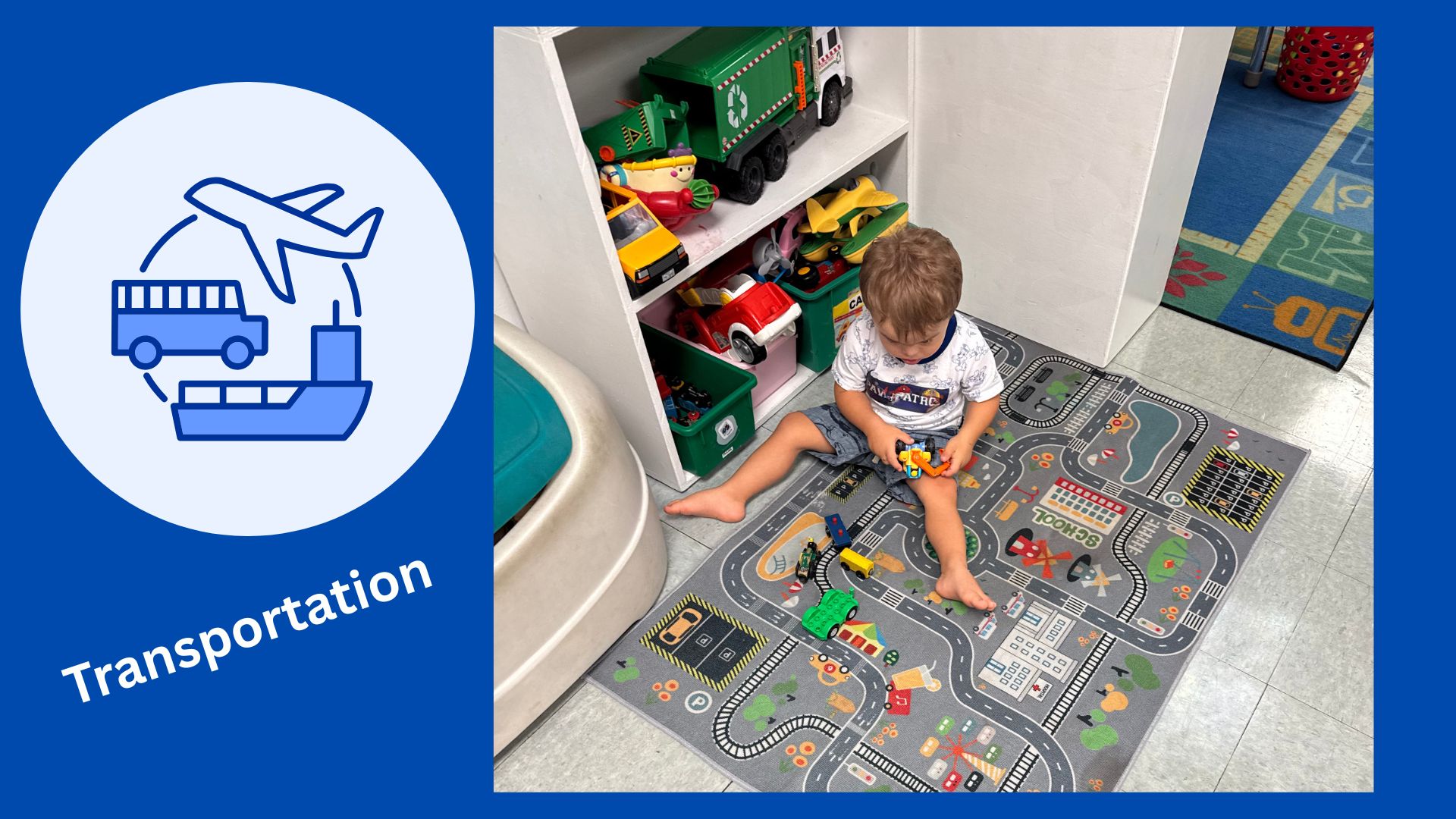
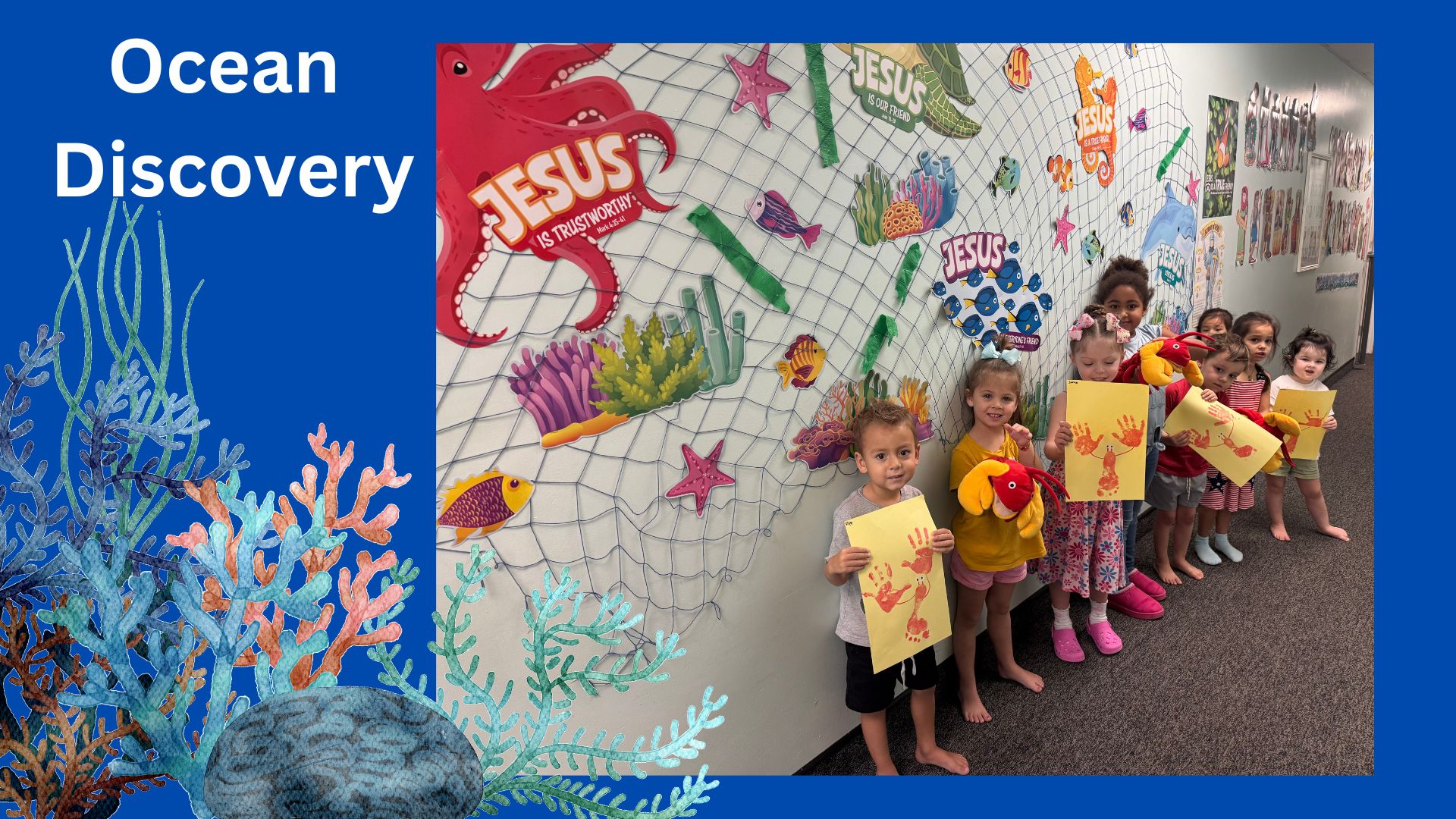
Everyday LCA is where we Play to Learn and Learn to Play with a full curriculum based On Creative Curriculum and enhanced with Ocean Discovery, Health & Fitness, Bible, Character Pillars and American Sign Language with the goal to prepare each child for success in Kindergarten with a love to learn and a foundation to carry them as they grow to be productive adults in our community.
We are so honored to be an active provider for our Key West Community meeting the needs of early education for the working Families of Key West and the Lower Keys.
Inclusion
Lighthouse Christian Academy works diligent to care, teach and encourage children enrolled in the LCA Pre-School Program. Our qualified trained staff will observe, recommend, and refer as needed in addition to cooperate with community support teams to meet your child’s individual needs to be the best they can be, growing and developing as unique as each one of us are. LCA is a certified center with the ELC BPIECE (Best Practices in Inclusive Early Childhood Education).
Military Child Care in Your Neighborhood (MCCYN)
LCA participates with MCCYN – Military Childcare In Your Neighborhood (childcare assistance for the Military Families stationed in Key West. Click here to apply for Military Child Care Benefits
ELC School Readiness
LCA participants with the Early Learning Coalition of Miami-Dade/Monroe School Readiness Program, which provides financial assistance to families who qualify. Click here to Pre-Qualify
When Lighthouse Christian Academy opened in 1999, The LCA leaders chose to voluntarily become state certified (License # C16MO0014). We have certified teachers on staff and stand ready to answer any questions you may have.
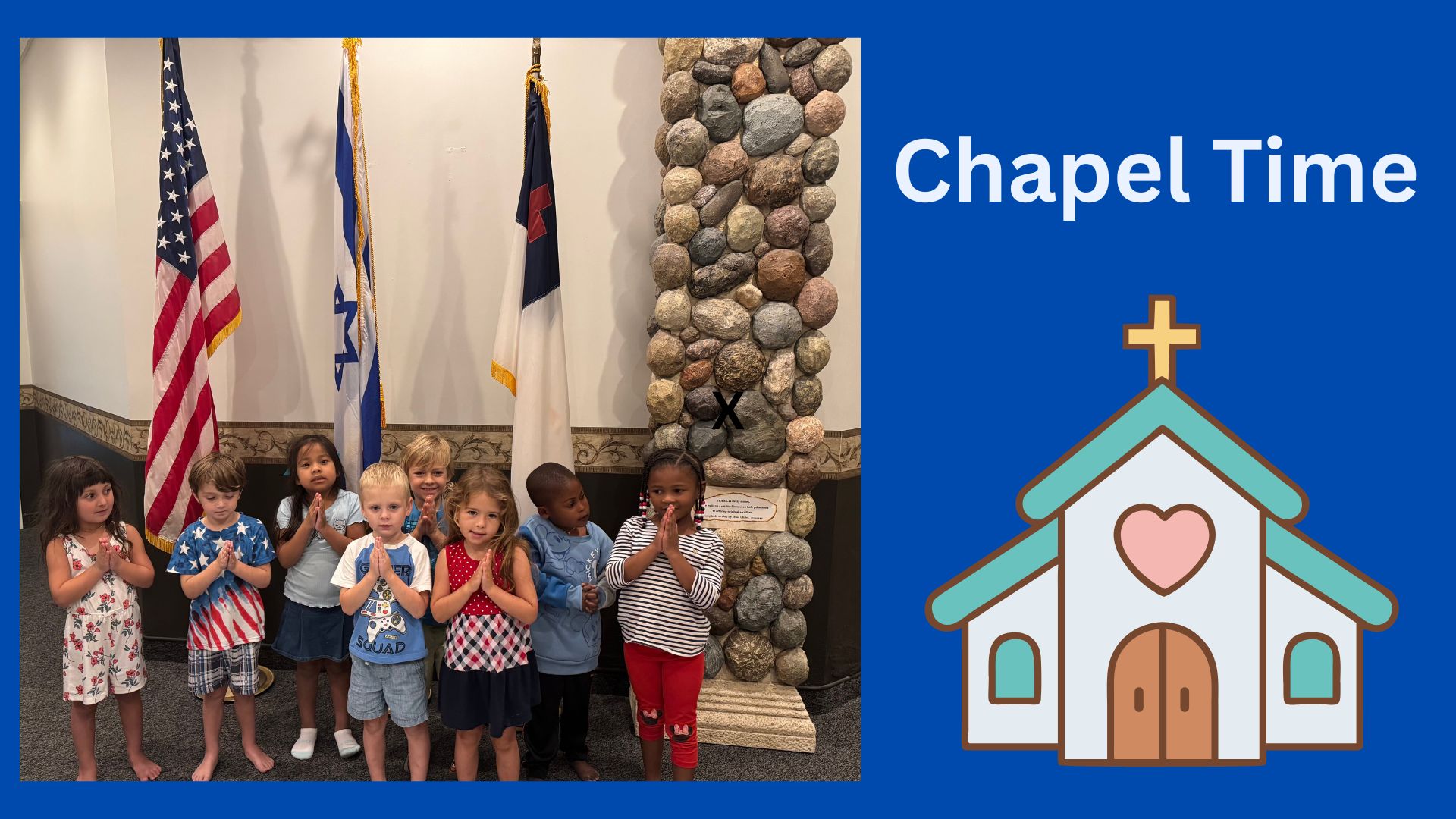
Every day LCA Kids are learning to be the best that they can be. One of those ways is with the LCA Bible Curriculum. Godly principles are applied daily to the learning environment through prayer, scripture, songs, music & Bible stories. Bible stories come from The CWC Kids Building Character on the Foundations of God’s Word. This curriculum is hands-on as the children hear, learn and act out the Weekly Bible story that encourages each of us to be the best we can be. We love to bring the Bible to life with them and we all have a great time doing it.
Watch this Week’s Bible Story. If you want to watch other episodes you can go to the CWC Video Stream at YouTube
https://youtu.be/S1FiWLEaCK8?si=IlEvehVA8C9kV3mc
We are currently accepting registration for ages 2 year olds to Pre K -4 years old. LCA Full Time Care is Monday – Friday, 7:00 AM to 6:00 PM, 52 Weeks a Year. Please contact the office today to reserve your child’s place at LCA. Will gladly meet with you to discuss how LCA can meet your family’s needs.
E-mail: office@lcachildcare.com
Phone:
(305) 292-5582
Now offering care on a daily basis – schedule as needed in advance or before 9 AM.
$50 per day. Contact our office to meet your daily childcare needs for appointments or for those visiting the Keys in need of care for the day. Daily Drop off Care is based on availability of that day.
There has been a lot said about starting our children early in education. Even basics like creative play and interaction with others is often best learned in a school environment.“The wisest possible path to genuine public education ‘reform’ is this: Invest early to give children the best possible start in school and in life.” ~ Jerry Scarborough, Superintendent of Schools of Suwannee County, Florida
See more quotes about Early Childhood Education.


May 29 – LCA Pre K Class 2026 Year end Celebration Congratulations to all the LCA Kids completing LCA PRE K 2026
June 1 – LCA Pre K Class 2026-2027 Begins Another year filled with fun learning activities as the LCA Kids Play to Learn and Learn to Play every day at LCA